
By Kim Brown
If you want to win in business in 2026, you need to get comfortable with being real. For years, brands have relied on polished marketing campaigns to paint the perfect picture they want customers to see. It worked for a long time, but that approach is losing its effectiveness.
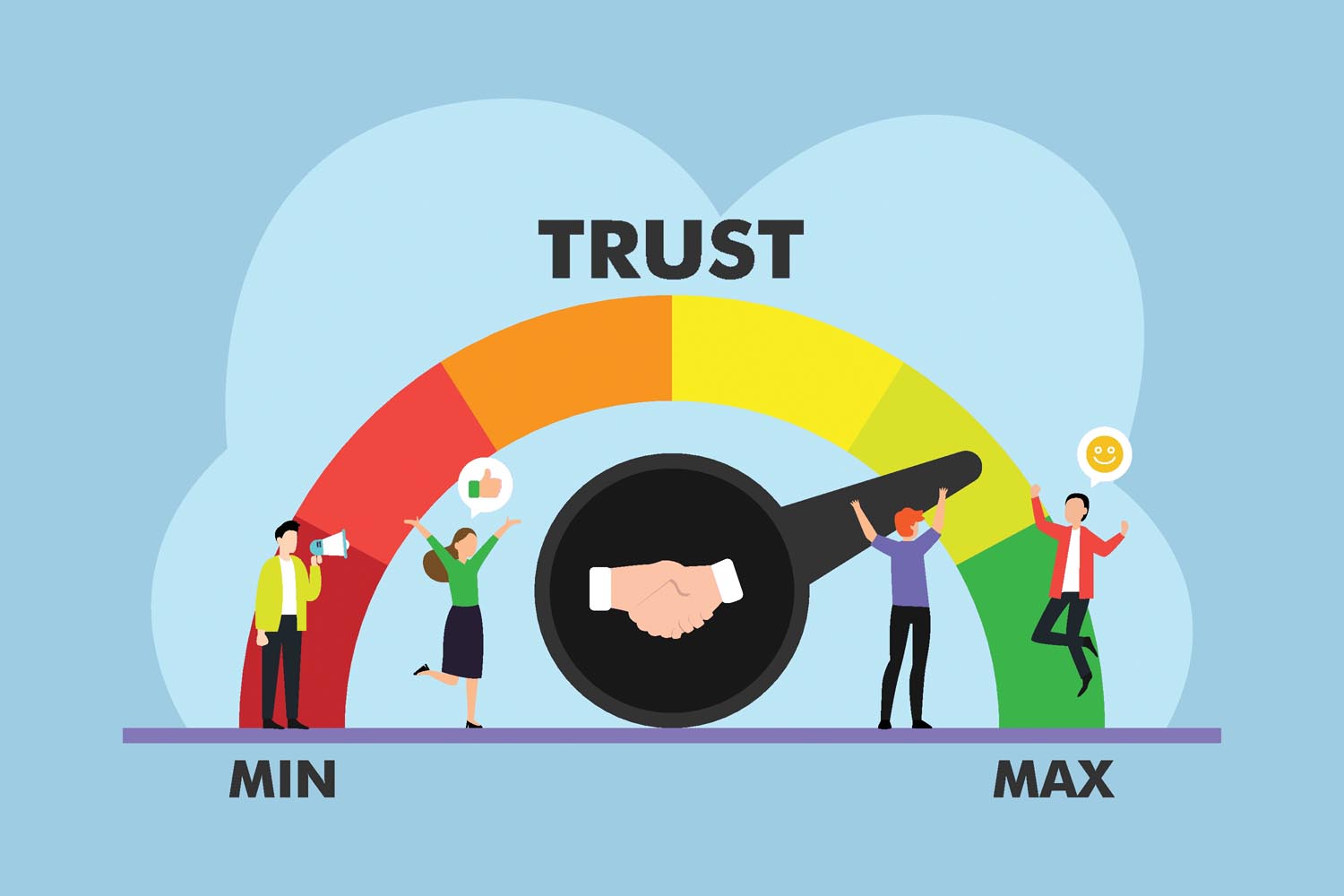
Trust is now a leading factor in whether consumers will buy from, or boycott, a brand. That’s according to Edelman’s annual Trust Barometer, which shows that globally, people have lost trust in governments and news organizations. However, trust is on the rise for companies that provide education, optimism and a sense of community.
Now more than ever, people trust what they can verify. For businesses, that means tightly controlled messaging and glossy corporate videos are not going to work the way they used to.
People are less interested in what a company says about itself and more interested in what others say about it. They read reviews, absorb media coverage and scour social media. Ask anyone in the local Facebook group ‘Tanglewood Moms’ where they go for recommendations. The 32,000 women in the group act as a real-time brain trust on everything from best pediatricians to the best financial advisors.
The point is simple. People trust people, especially those in their community. Here’s how you can make this work for your business.
Instead of trying to create the perfect image, pull back the curtain on what’s real. Show how your business operates, talk about your values and feature the employees AND customers behind your brand. Create a culture where employees share stories that illustrate your mission. And do it in the spirit of sharing information, not selling.
By giving customers a more complete picture of your business, you earn their trust, which will ultimately drive revenue.
Transparent communication also reduces risk.
Research shows companies that respond quickly and openly during issues recover their reputations faster. Waiting to craft the perfect message can do more damage than responding with a clear and honest one.
That’s why brands are sharing more of their process and acknowledging the challenges. Most importantly, they’re prioritizing reality over a curated image.
There’s another reason this shift matters. The way people find and evaluate businesses also has changed. We’re using AI every time we search Google, and the answers pull from the depths of the internet.
This means your business reputation is being shaped by everything that exists online. That includes what customers say, what employees share and whether there’s any real substance behind your messaging.
If your internal culture doesn’t match what you put out publicly, people will see it. If your customer experience falls short, that will show up, too. From reviews to Reddit, AI will reflect and amplify what already exists.
This has real business implications. When someone asks AI who they should hire or buy from, your company is not judged by your website. It’s evaluated based on everything about you online. And if there isn’t enough credible information, you may not even show up.
That’s why consistent, authentic storytelling matters on social media, on your blog and in the media.
Because customers are not choosing the most polished brand. They’re choosing the one they trust.
Kim Brown, APR, is the co-founder of Story and Strategy PR, as well as an adjunct professor in the Bob Schieffer College of Communication at TCU.