By Neil Barrow
Every professional has been in this meeting.
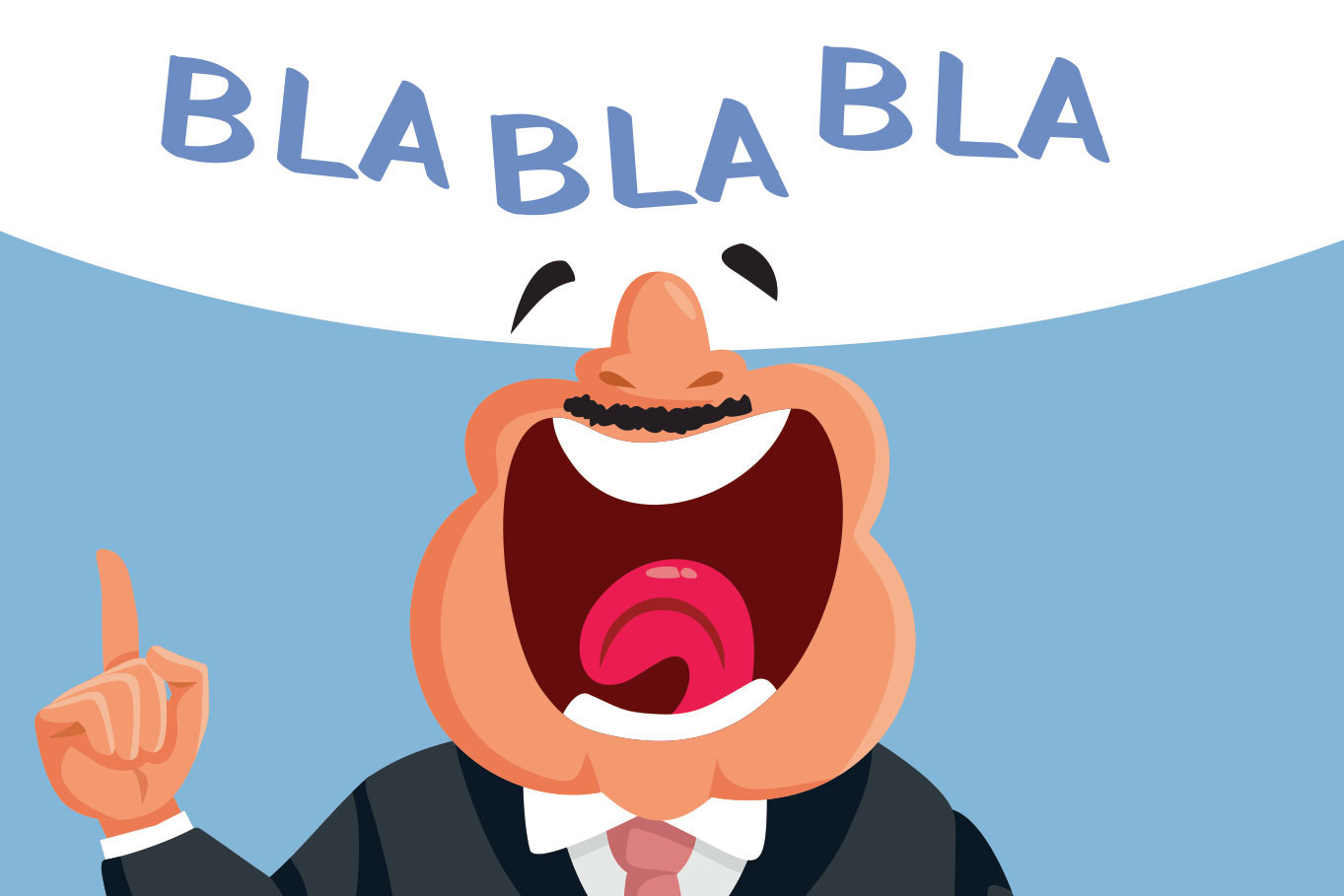
You sit down with a prospective client. You’ve heard it all before. You know roughly what they need. And within the first 10 minutes, you’re talking about your firm’s history, walking them through your firm’s capabilities, your team’s experience, your process and why you’re different from whoever they’re using now.
You leave the meeting feeling good about it. You covered everything.
And then you never hear from them again.
Sound familiar?
Most professionals default to talking about themselves because it feels safe. They know their firm. They know their services. They’ve said it a hundred times. And when someone asks, “So, tell me about what you do,” they answer.
But that’s not what wins work. The firm that understands the problem to build the trust and the relationship best wins the engagement. The firm with the best brochure finishes second.
The best conversations I’ve ever been part of—the ones that turn into real engagements—follow a pattern. I start with a version of this question:
“We have a general idea of why we’re here, but since this is your time—what is a good outcome for our meeting today?”
Then they listen. And they keep listening. And when the prospective client says something interesting, they ask another clarifying question instead of jumping to a solution.
Most professionals hear “we need bookkeeping help” and immediately respond with how their firm handles bookkeeping. Or consulting. Or a report. Or a deal. Or a matter. But a better move is to ask: “What’s going on there?” Then: “What have you tried?” Then: “Why isn’t that working?” Then: “What do you think you need?”
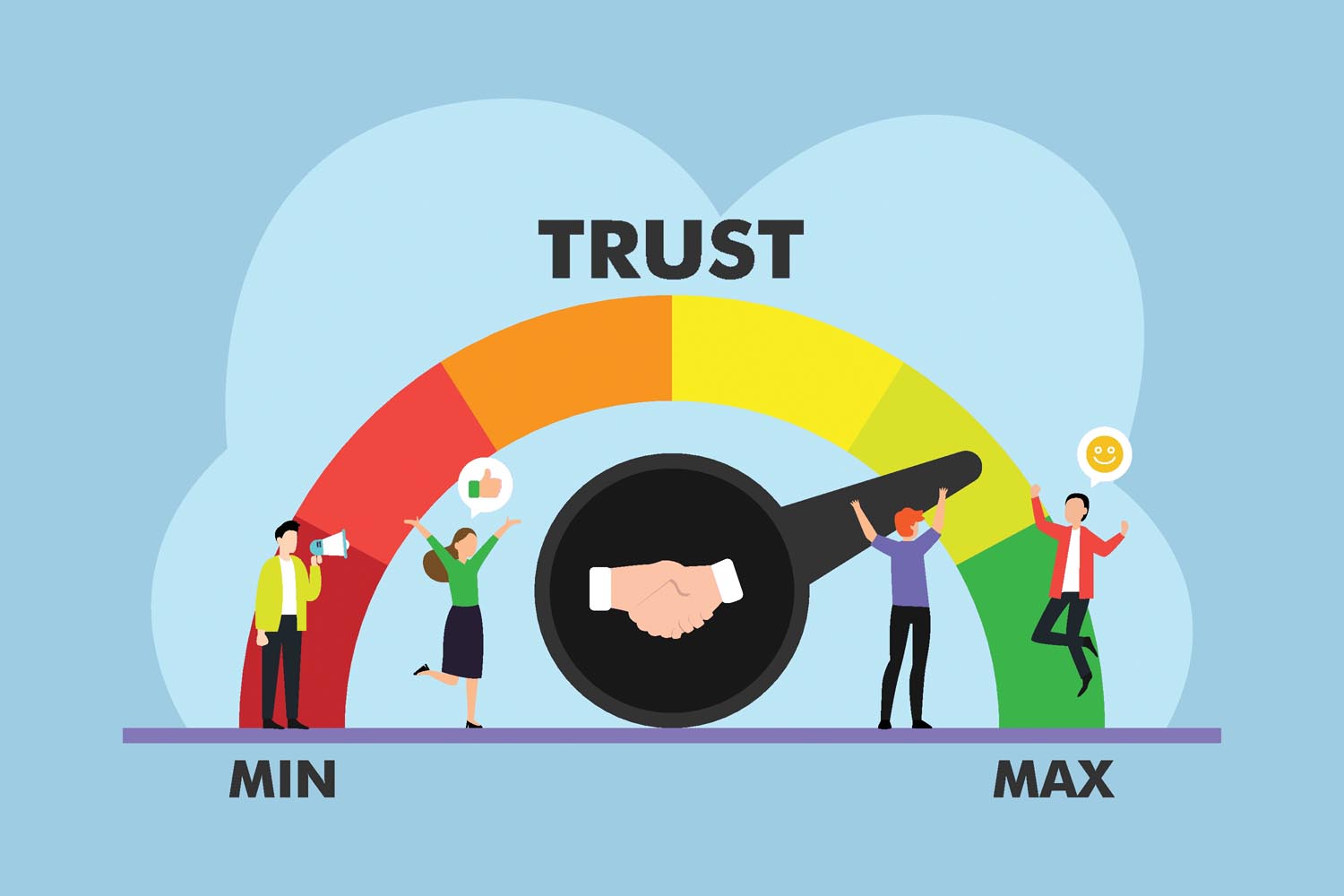
By the time you’ve asked four or five of these kinds of questions, you understand the problem at a level that the prospective client probably hasn’t fully articulated to themselves. That’s when trust gets built. Not because you pitched well—because you listened well.
I call this consulting to the why, not the how. Most professionals lead with the how—their services, their process, their team. The best ones lead with the why—why is this a problem, why now, why does it matter to you personally.
That last part is important. The emotional layer. Asking someone “how are you feeling about this personally?” changes the entire dynamic of a conversation. It moves from transactional to human. And in professional services, relationships are built on human connection, not capability decks.
Once you understand the problem, the next move isn’t a pitch. It’s a recommendation (if appropriate).
“If I were you, I would…”
And sometimes that recommendation might not even involve your firm. Maybe they’re not ready. Maybe someone else is a better fit. Maybe they need to solve a different problem first. Being honest about that earns more trust than any proposal ever will. And trust is what generates long-term relationships and referrals.
There’s a mindset I coach around this that I call “unsure confidence.” You’re confident you can deliver. You’re confident in your team and your process. But you’re genuinely unsure whether you’re the right fit for this specific situation, whether the timing is right, or whether they have the capacity to take this on. That combination—confidence in what you can do, humility about whether you should—is what separates a trusted advisor from a salesperson.
People can feel the difference.
A few practical things to keep in mind for your next meeting with a prospective client or even a proactive conversation with an existing one.
Do your homework before you walk in. Five minutes of research changes the quality of the whole conversation. Look them up on LinkedIn. Check their company website for recent news. If a referral partner introduced you, mention the connection. Show up prepared, and you’ve already communicated that you care.
Ask open-ended questions. “Are you happy with your current firm?” is a yes or no question that goes nowhere. “What’s been most challenging about the support you’re getting right now?” opens a real conversation.
Listen more than you talk. The best conversations are about 70% the other person talking. If you’re doing most of the talking, you’re pitching, and pitching is the fastest way to lose an opportunity you should have won.
End with a next step. Every conversation should end with something concrete. A follow-up call. A meeting with another decision maker. A proposal review together. “We’ll be in touch” is not a next step.
If you’ve been following along with this series —calling your clients, developing your referral sources, getting clear on your ideal client—this is the skill that ties it all together. The ability to sit across from someone and have a meaningful conversation. To ask the right questions. To listen. To make a thoughtful recommendation.
That’s what business development actually looks like in professional services.
Neil Barrow is the founder of EnabledBD, helping professional services firms get business development cooking, and host of I Hope This Email Finds You Well, a business development podcast. Learn more at enabledbd.com.