
By Deb Degner
Old habits are hard to break. Full stop.
Willpower can fall short without an understanding of how our brains work during habit change. Finding ways to make the new pathway easier and determining the support we need will get us much closer to what we want.
Right now, I’m trying to fix my impulse to multi-task. For years, I believed that juggling a lot of tasks made me more productive. Now I know better. Task switching—the back-and-forth between what we’re concentrating on—creates disruption that slows our brain. So, if I know better, why is it still so hard to do better?
Let’s talk brain science.
Our brains love patterns. They’re constantly looking for the most efficient way to process information, and a habit is the path of least resistance—it frees up the brain to manage everything else it’s juggling. Think about your commute or a common drive. Once you’ve found the fastest route, you drive on autopilot, barely registering the trip. That’s your brain working exactly as designed.
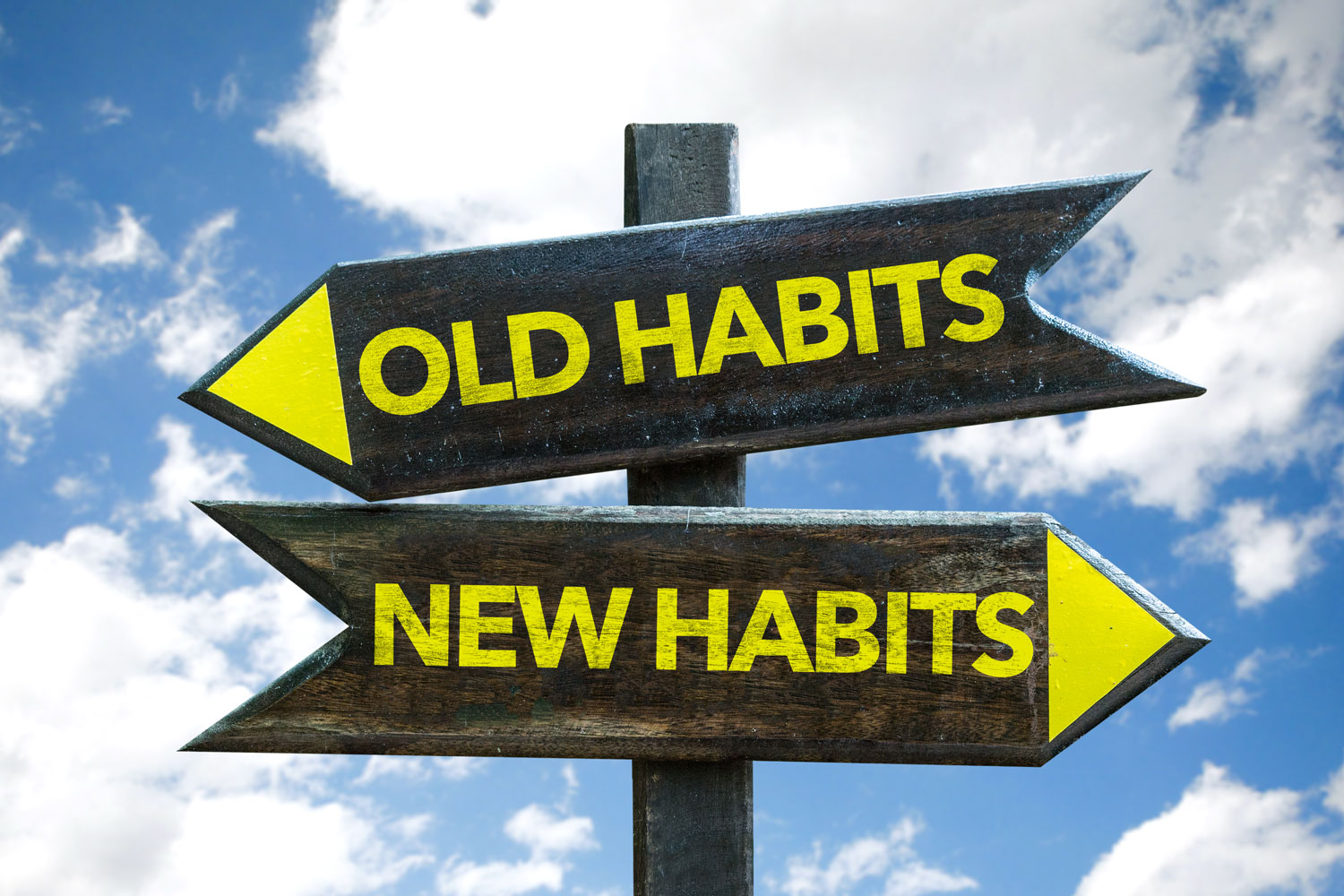
My colleague and brain science expert James Garrett describes these patterns as superhighways we’ve built over time, such as multi-tasking because we think it is productive, or habits around eating, drinking or checking email when we first wake. Getting off this superhighway is work. Building a new habit is like carving a dirt road next to it: uncomfortable and slow, requiring real commitment before it becomes a small, paved road, and eventually a highway. At first, it feels like a lot of effort for very little reward.
James describes it like this: you have a Rider, your logical brain, and an Elephant, your emotional and habitual brain, and lasting change requires managing both. Direct the Rider by making your goal painfully specific—not “check my email less,” but “walk 30 minutes before checking email.” Motivate the Elephant by keeping the habit small enough that it doesn’t feel like a chore, and by choosing something you actually want to do, not something you should do. Then shape the path around both: remove friction, add cues, make the new behavior the easy one.
Most coaching clients are trying to create new habits. Breaking the habit of jumping in to solve problems for your team instead of coaching them through it, or the habit of interrupting a colleague who has a hard time getting to the point. Direct the Rider with a very specific plan, and motivate the Elephant by choosing small, incremental progress steps that are easy and appealing.
I researched leadership sustainability in my master’s program, interviewing leaders about what helped them maintain their goals after their coaching programs ended. Accountability partners came up in many conversations, but not in the way I expected.
It wasn’t enough to simply have a partner. The leaders who stuck with their goals were deliberate about who they chose and how they used that person. Some wanted a partner outside their organization who was more objective. Others did best with a peer who understood their day-to-day and could spot when old patterns were creeping back in. Some went further by broadcasting their goals to their whole team— one leader put it simply: failing quietly is easy to shrug off, but failing in your commitment to others is much harder.
A few leaders mentioned something the habit-change literature doesn’t talk about enough: fear. Not fear as an inhibitor, but fear of sliding back into an old way of leading that wasn’t working. That discomfort, revisited regularly, kept them on track toward new habits that support their goal.
So, a few things worth trying, whether the habit you’re building is personal or professional:
• Make the new habit easier than the old one. Put your running shoes by the door; hide the cookies on a high shelf. Make the existing superhighway less accessible while you build your dirt road.
• Choose an accountability partner deliberately, not by default. Decide whether you need outside objectivity or inside understanding, then ask that person for exactly what you need.
• Keep it small and specific. “I will write down tomorrow’s top priority every night at 5 p.m.” beats “be more organized.”
• Track it somewhere visible. Progress you can see is progress you’re more likely to stick with.
Old habits took years to pave. Give your new ones a fair shot before deciding they’re not working. A dirt road always feels rougher before the paved road becomes visible.
Deb Degner owns and operates The Leadership Bridge. Her organization specializes in interactive group training experiences that integrate strategies Deb developed from her master’s degree project on sustainable learning. Learn more at yourleadershipbridge.com.