
By John Fletcher
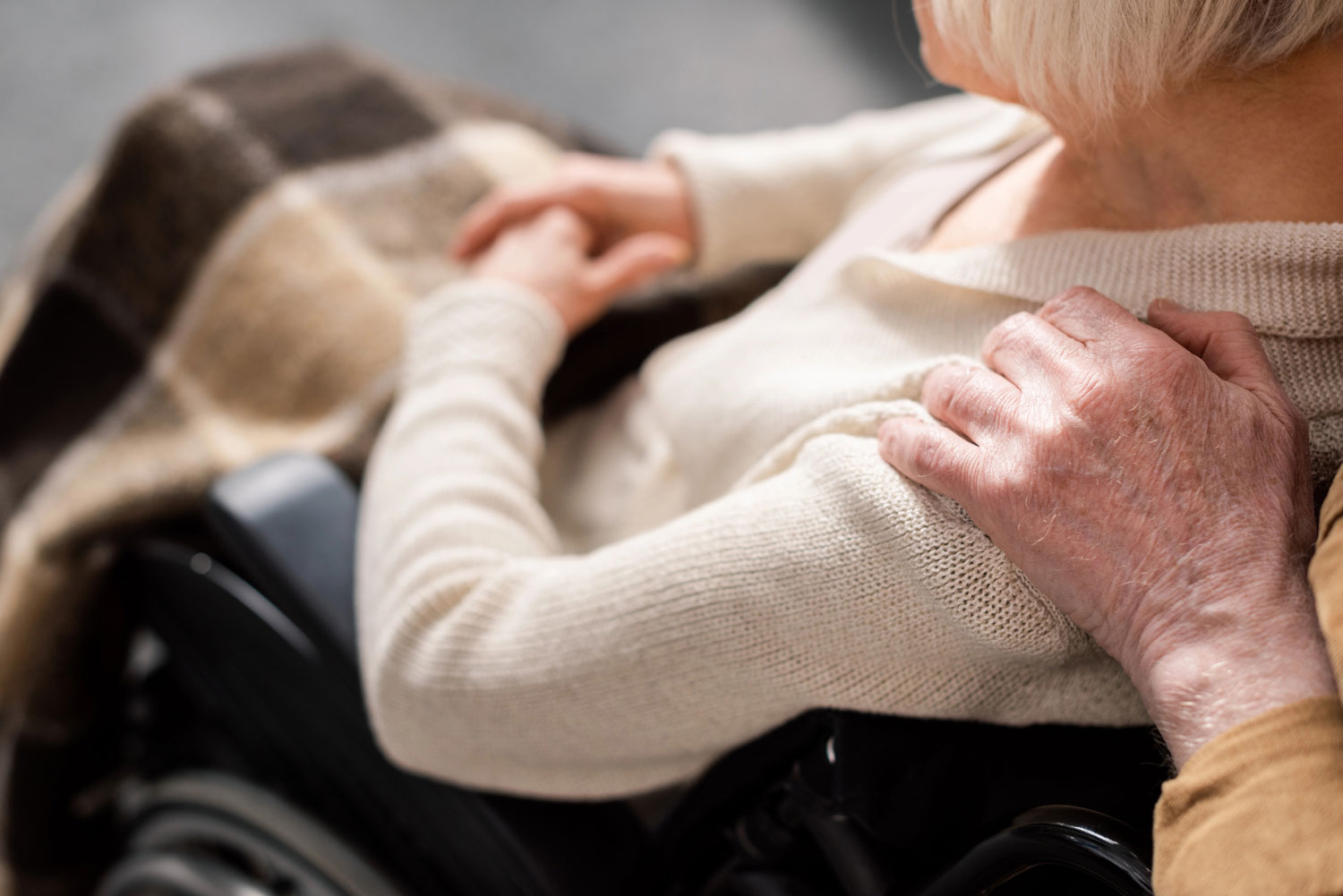
Dementia care begins quietly at home, long before anyone uses the word “caregiver.”
For the more than 11 million Americans providing unpaid care for a loved one living with dementia, caregiving often begins before a formal diagnosis and evolves over many years.
Along the way, families learn new skills, navigate unfamiliar systems and make difficult decisions—often without a road map.
Some families provide care—a spouse may help with dressing and meals; an adult child may manage appointments and medications; and a friend may provide transportation. The family delivers purpose and closeness to a loved one, but can also experience exhaustion, grief, isolation and financial strain.
Others bring in professional home care, adult day programs, respite care, or residential services. Most find themselves somewhere in between, blending the love only family can provide with the expertise of trained dementia professionals.
Whatever the path looks like, one truth remains: family caregivers are the foundation of dementia care.
The World Health Organization (WHO) describes family carers as “the cornerstone of dementia care,” yet too many caregivers feel they are alone and don’t know what to do or where to turn for support or resources.
According to Jaime Cobb Tinsley, Vice President of Family & Professional Education at the James L. West Center for Dementia Care, “Caregivers need more than information. They need practical education about communication, routines, safety, changing abilities and behavioral expressions.”
She adds that family caregivers need access to counseling and peer support to cope with stress, grief, changing abilities and difficult behaviors; and they need respite before fatigue becomes crisis. Caregivers need help navigating medical care, community services and benefits.
For example, Medicare’s GUIDE program, also known as the Guiding an Improved Dementia Experience, provides a care navigator for families that meet the criteria to receive support services. Individualized assistance is provided and is covered up to $2,500 in annual respite services.
Support must change as dementia changes. A caregiver’s needs at diagnosis will not be the same during a hospitalization, a move or advanced illness. Support must evolve along with the dementia journey.
The West Center offers a proven model of support. As north Texas’s most comprehensive dementia care center, James L. West provides care, support and education at every stage of the dementia journey.
One of the Center’s most appreciated offerings is the more than 200 free online caregiver training programs on the Jameslwest.org website that include:
• 10 commandments of caregiving
• Signs of dementia and where to turn
• Family dynamics in caregiving
• Caregiver stress
• Brain health and exercise
There are also programs available in Spanish.
Families find encouragement through counselor-led support groups, where they can learn practical strategies, process grief and connect with others who understand the realities of caregiving.
Tinsley says care is not shared equally. Women provide 70 percent of informal dementia care globally. In the United States, the Centers for Disease Control and Prevention estimates a similar number.
In every dementia family, someone needs to manage the team—in essence, be the quarterback who guides all volunteer and paid caregivers. This person schedules the caregivers and watches out for their health as well as the loved one facing the dementia diagnosis.
When discussing care treatment, someone should ask, “How is caregiving affecting your health, finances and family? Do you have anyone helping you?”
World Health Organization’s Integrated Care for Older People caregiver-support pathway recommends screening caregivers for strain, symptoms of depression and financial impact; and connecting caregivers with training, counseling, respite care and community resources. This includes re-assessing needs over time.
No single organization can close the caregiver-support gap. But hospitals, clinics, insurers, public agencies, employers, faith communities, libraries, senior centers and dementia organizations can build connected pathways of support.
Tinsley recommends that family caregivers join counselor-led support groups and family support groups to learn from shared experiences and to be able to process stress, grief, changing relationships and difficult decisions.
Her message: “Asking for help is not an admission of failure. It is a lifeline…and often an act of love.”
After all, caring for the caregiver is not separate from dementia care. It IS dementia care.
The best family leaders ask not only, “What does the person living with dementia need?” but also, “What does the caregiver need to continue with health, dignity and hope?”
Neither should have to travel the dementia journey alone.