
BIZ OPINION
What Texans should know about data centers and property values
By James Dickey
September 24, 2026
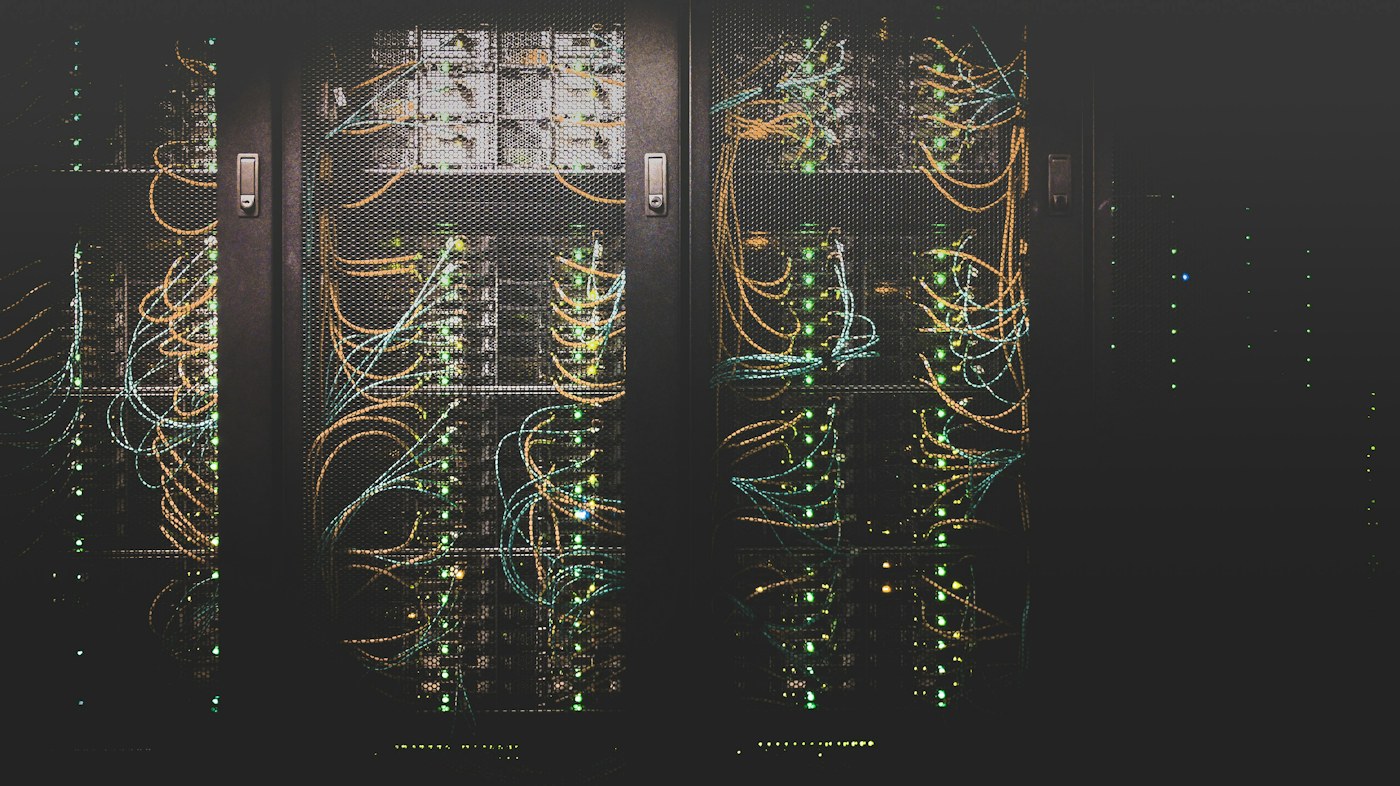
I've heard the same concern at county meetings, city council hearings and community forums across Texas.
"Data centers are going to kill my property values."
I understand why people say it. For most Texans, their home is their biggest investment, and nobody wants to see it lose value because of a new development nearby. But before we accept that claim as fact, we ought to ask a simple question: Is there any evidence that it's actually true?
I wanted an answer based on Texas, not assumptions or studies from somewhere else. So I decided to test the claim myself. I analyzed 45 Texas ZIP codes that gained their first data center and compared them with similar ZIP codes in the same metropolitan areas that didn't. After testing the data across multiple statistical models, I found no measurable evidence that data centers caused nearby home values to decline.
That doesn't mean every data center belongs everywhere. Communities should absolutely ask questions about infrastructure, water, electricity, noise and where projects are located. Those are legitimate issues that deserve thoughtful discussion.
But that's a different conversation than claiming data centers automatically hurt property values. Based on the evidence we have in Texas, they don't. In fact, today's data centers are generally quieter, more energy efficient and more water conscious than many of the facilities included in the analysis, making the claim even harder to support.
Too often, these debates are driven by social media posts, headlines from other states or speculation that gets repeated often enough to sound true. Before long, perception starts replacing facts.
Meanwhile, we lose sight of what data centers actually bring to a community. These facilities support the digital infrastructure our economy depends on, from banking and healthcare to advanced manufacturing and artificial intelligence. They also represent hundreds of millions, and often billions, of dollars in private investment, create high-paying construction and skilled technical jobs, support local contractors and suppliers, and expand the commercial tax base in ways that benefit local communities over the long term.
That stronger tax base can make a real difference. In some Texas school districts, data centers have become a meaningful source of property tax revenue without adding students to classrooms or placing significant new demands on local services. Every community is different but broadening the commercial tax base while avoiding major new public costs is generally good news for taxpayers.
None of this means data centers should receive a free pass. Companies should be expected to work with local communities, plan responsibly and meet high standards. But we should evaluate projects based on facts, not assumptions.
Texas has become a leader in technology, energy and innovation because we've been willing to welcome investment while asking smart questions. We shouldn't abandon that approach now.
Reasonable people can disagree about where a particular project belongs. But if we're going to have that debate, let's have it using evidence instead of fear. Texans deserve nothing less.